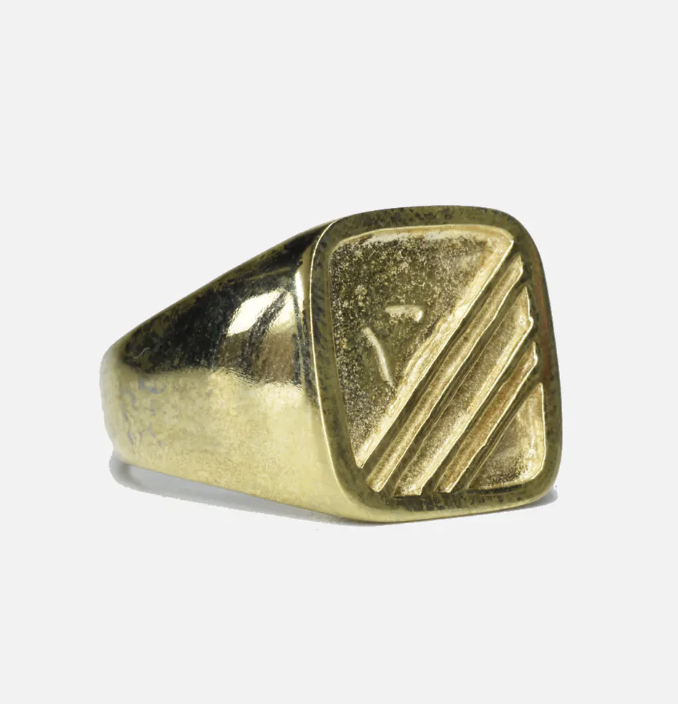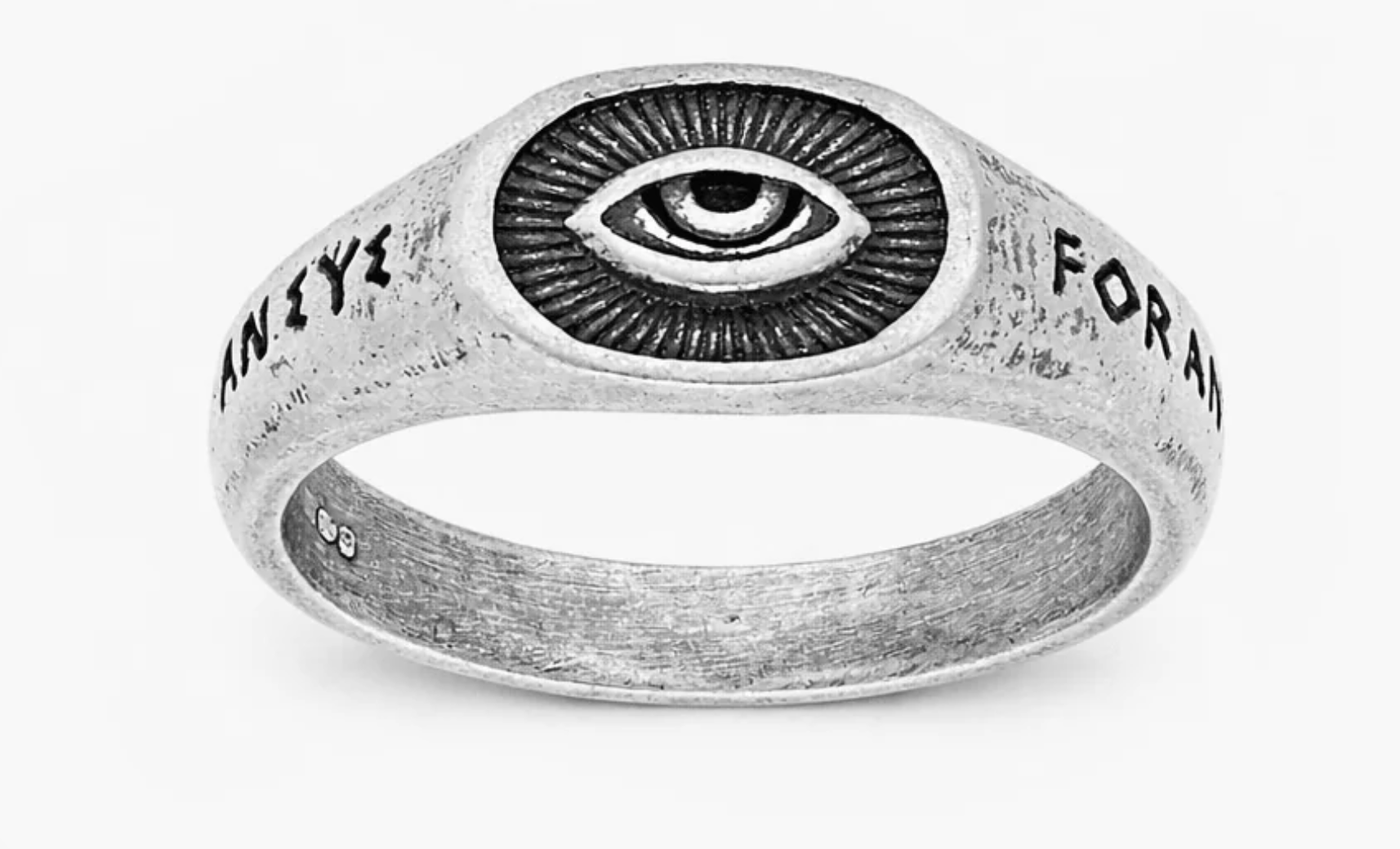
The mystic hand and the evil eye are among the oldest symbols of protection in human history—objects that have traveled across continents, religions, and centuries while holding onto a shared purpose: to guard against unseen harm. The “evil eye” itself originates from a belief found in ancient Mediterranean and Middle Eastern cultures—that envy or ill intent, even when unspoken, could manifest as real misfortune. As early as ancient Mesopotamia, people wore talismans to deflect this gaze, often in the form of an eye, reflecting harm back to its source. The idea was simple but powerful: to be seen by the wrong eyes was dangerous, so one wore an eye of their own.
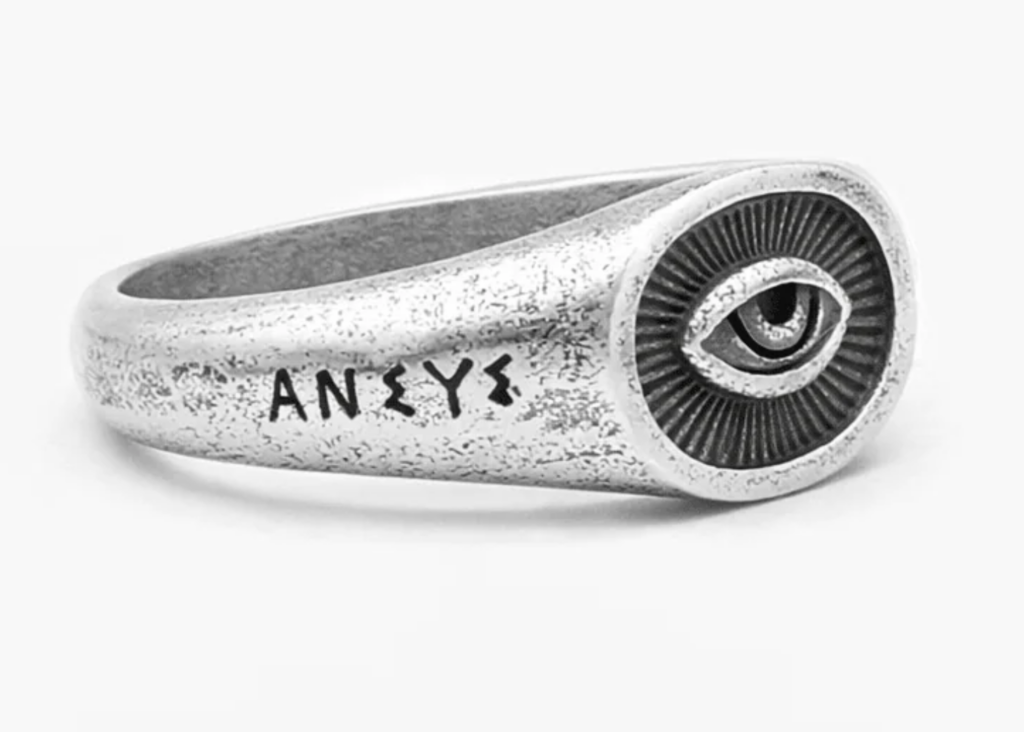
Archaeological evidence shows that the symbol was widespread in civilizations like ancient Greece and Rome, where it was known as “mati” or “malocchio.” Greek philosopher Plutarch even wrote about the phenomenon, suggesting that certain individuals could harm others through a glance fueled by envy. “The eye,” he noted, “is the most powerful of all the organs,” reflecting a belief that vision itself could carry energy beyond the physical. To counter this, artisans began crafting eye-shaped amulets in glass and stone, often in striking blues meant to symbolize protection and clarity. These early charms laid the foundation for what would become one of the most recognizable symbols in the world.
“The eye, is the most powerful of all the organs,”
Plutarch
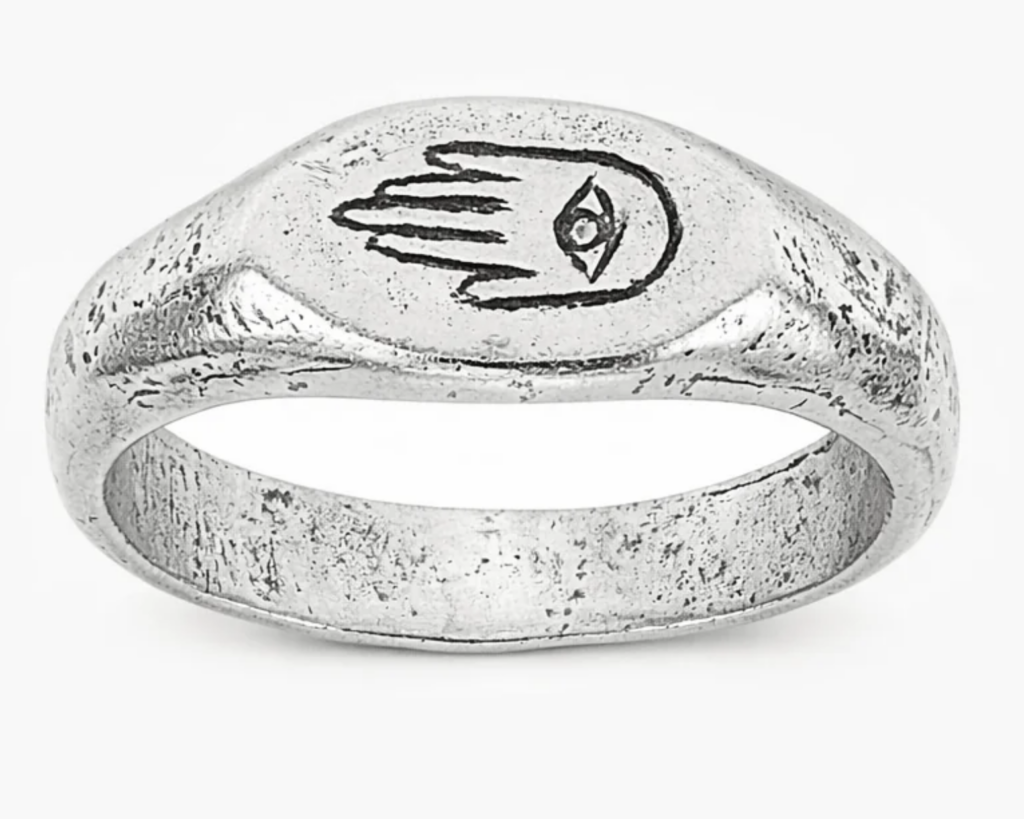
Running parallel to the evil eye is the mystic hand—most commonly known as the Hamsa. This open hand symbol, often featuring an eye at its center, emerged prominently in North Africa and the Middle East. Its origins are complex, tied to multiple faiths and traditions. In Islamic culture, it is sometimes called the Hand of Fatima, while in Jewish tradition, it is known as the Hand of Miriam. Despite these differing interpretations, its meaning remains consistent: protection, blessing, and strength. The hand itself is a universal gesture—both a sign of defense and a symbol of openness—making it a natural vessel for spiritual significance.
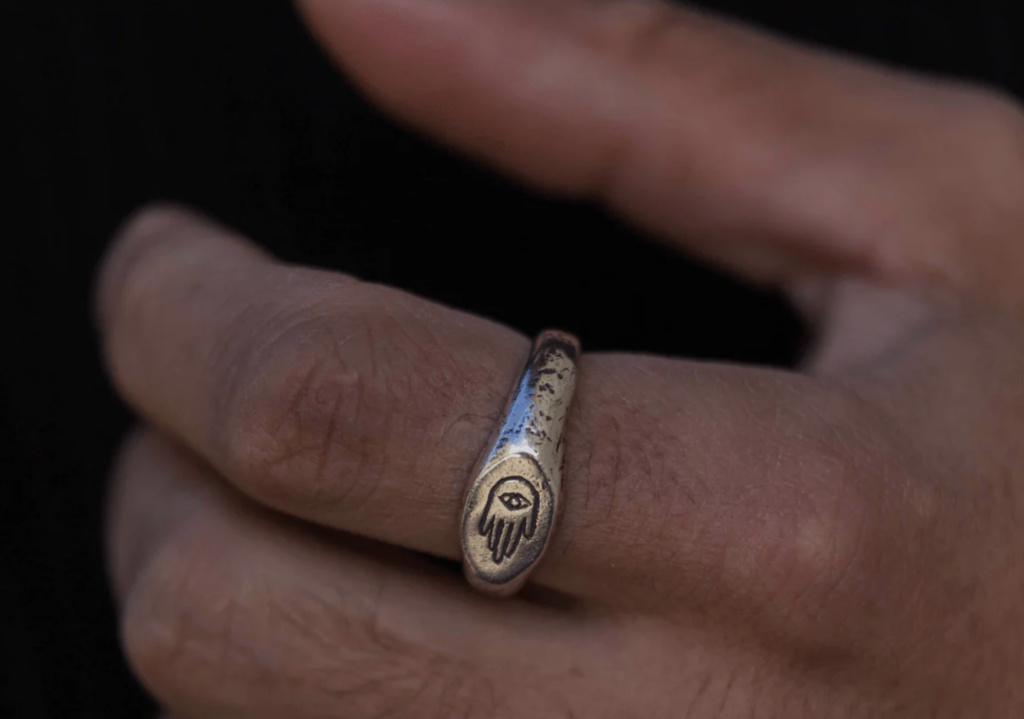
Historians often point to the adaptability of these symbols as a reason for their endurance. As trade routes expanded and cultures intersected, the evil eye and mystic hand traveled with them, evolving in design while retaining their core meaning. Materials shifted from clay and glass to precious metals; forms became more stylized, more personal. In some regions, the symbols were ornate and detailed, while in others they were stark and minimal. Yet across all variations, the intention remained unchanged: to create something that could be worn, carried, or displayed as a quiet safeguard against the unknown.
In modern design, these symbols have taken on a dual role—both protective and expressive. They are no longer worn solely out of superstition, but also as markers of identity, heritage, and personal belief. Jewelry featuring the mystic hand or evil eye often blends ancient symbolism with contemporary aesthetics, allowing wearers to carry history in a form that feels current. As one cultural historian observed, “Symbols like these endure not because people fear the past, but because they continue to find meaning in it.” The statement captures why these motifs persist—not as relics, but as living ideas.
Today, whether etched into a ring, suspended from a chain, or subtly worked into design, the mystic hand and the evil eye remain deeply relevant. They speak to a universal instinct—to protect what we value, to guard against what we cannot see, and to find reassurance in objects that carry meaning beyond their form. In a world that often moves too quickly to hold onto tradition, these symbols offer something steady: a connection to the past, shaped into something you can wear in the present.