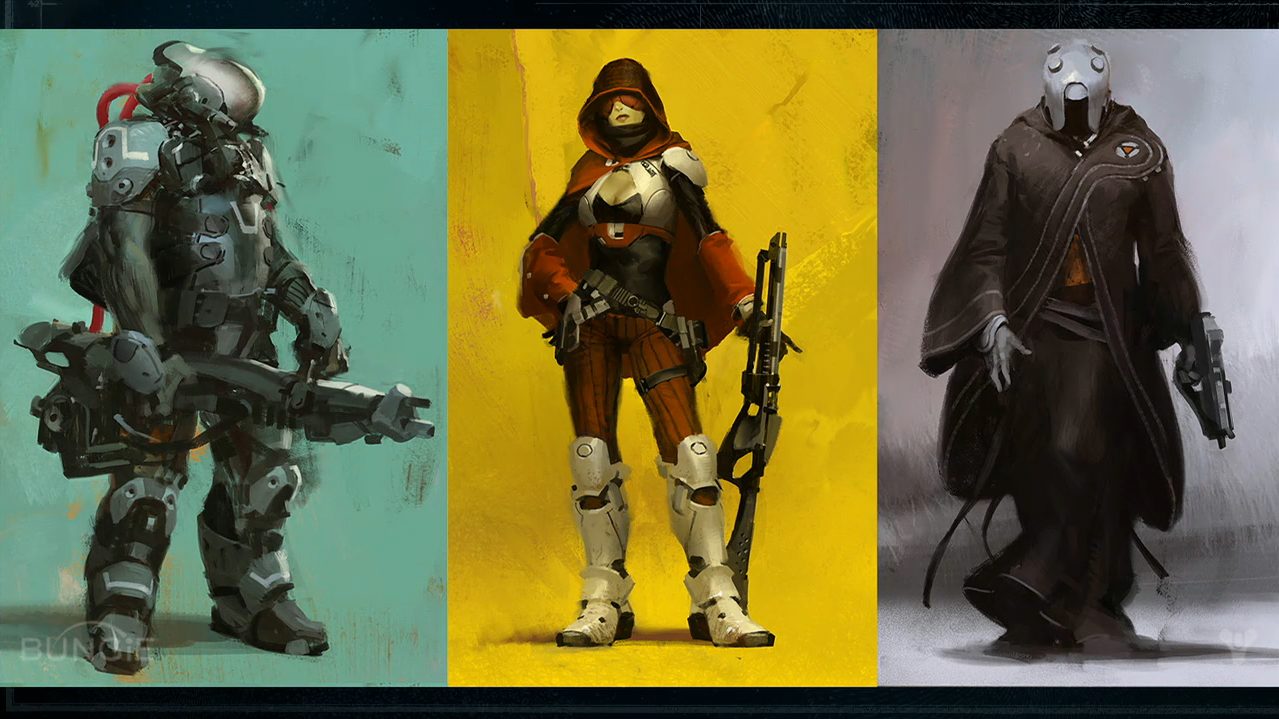
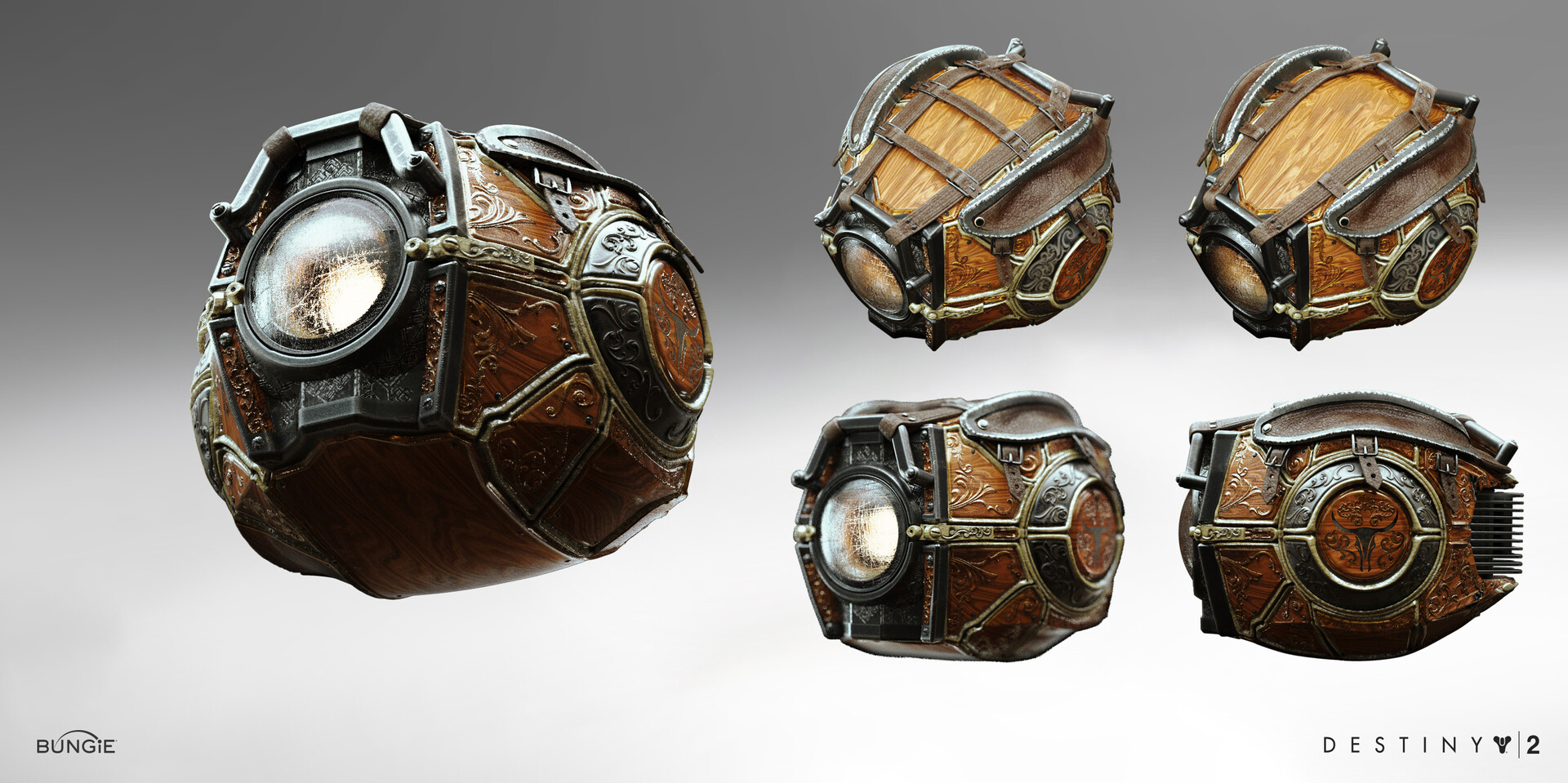
Concept art is a form of visual development used by projects to define the look and feel of something before it is finalized and produced. It is most commonly used in film, television, video games, animation, and other media to establish anything from characters, environments, props, vehicles, or overall visual style.
Concept art basically serves as a blueprint or starting point. It helps directors, designers, and production teams visualize ideas early in development in order to test different creative directions or solve design problems before time and resources are committed to building or animating assets.
From early sketches to detailed digital paintings, concept art communicates how something could appear, function, and fit within a larger world. Basically, it bridges the gap between written ideas and the finished product, allowing everyone involved to shape and understand visuals from the start.
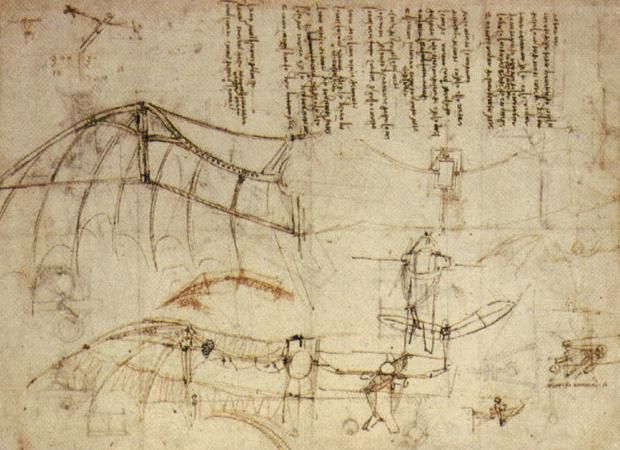
15th-16th Century Leonardo Da Vinci
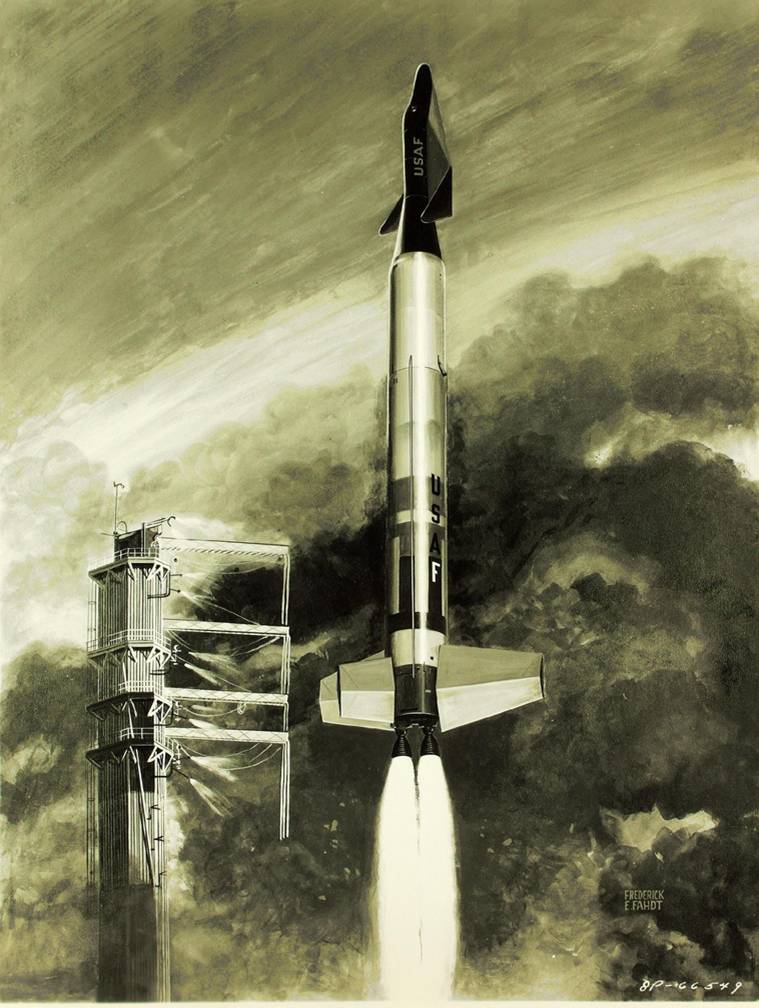
1960's
2026
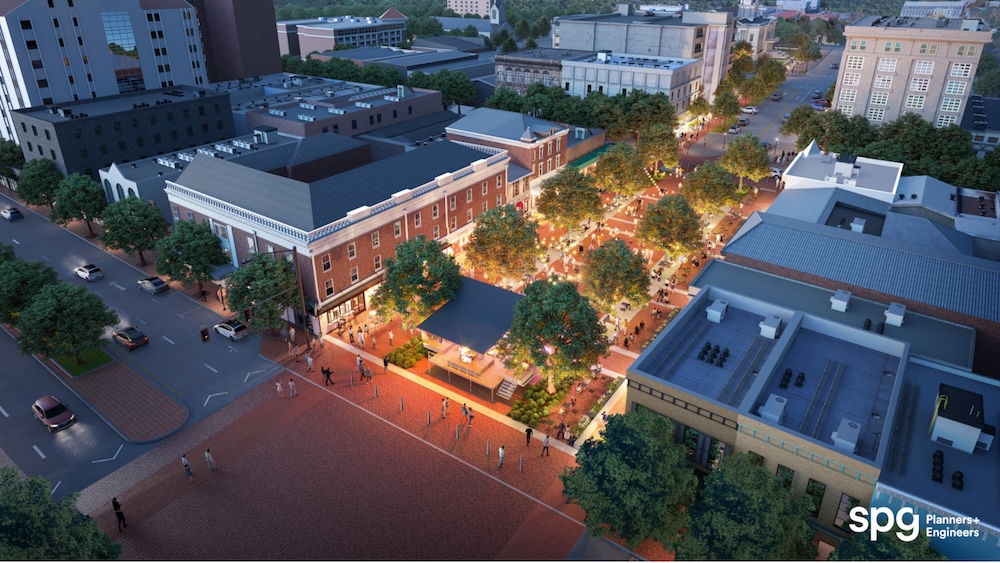
While concept art can be created using a wide variety of mediums, from traditional tools like pencil and paint to modern digital software. Industries largely rely on digital painting and 3D modeling as, many artists blend techniques to suit their creative process and to ensure quick turnaround. Click on the right to see more!
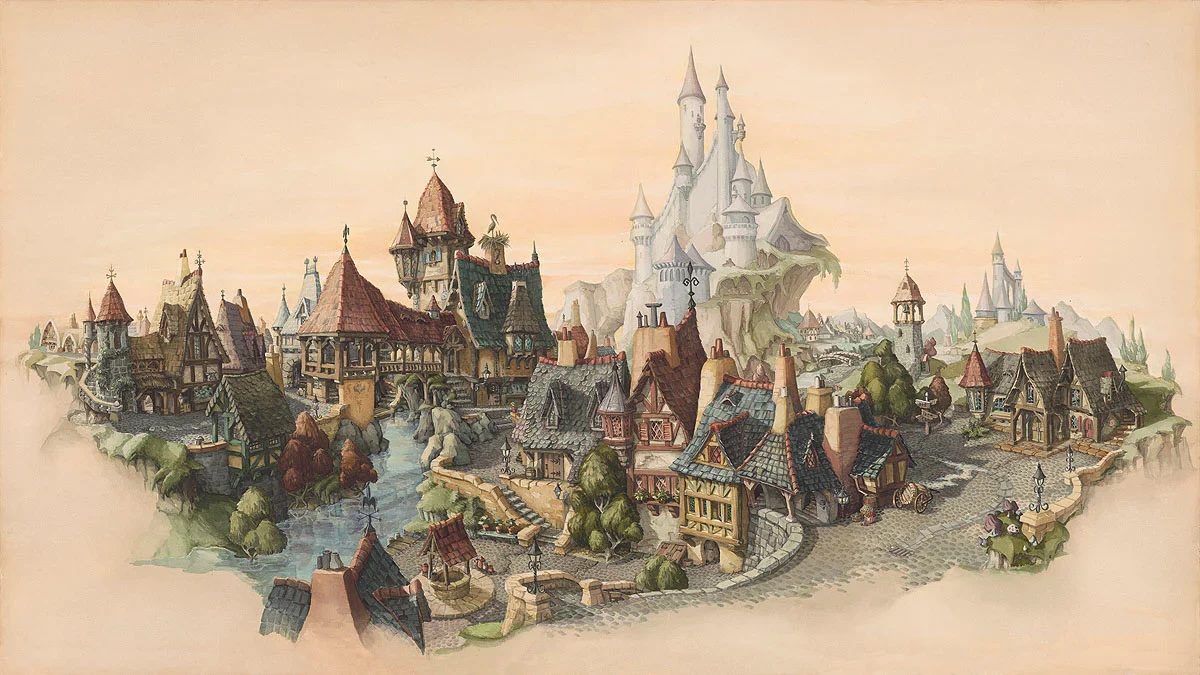
While largely unsed today oil painting was one of the only avaiable mediums for decades. On the left is an example from Disney's Tony Baxter made 1975 it was eventually used during the 1983 redesign of Disneyland's Fantasyland.
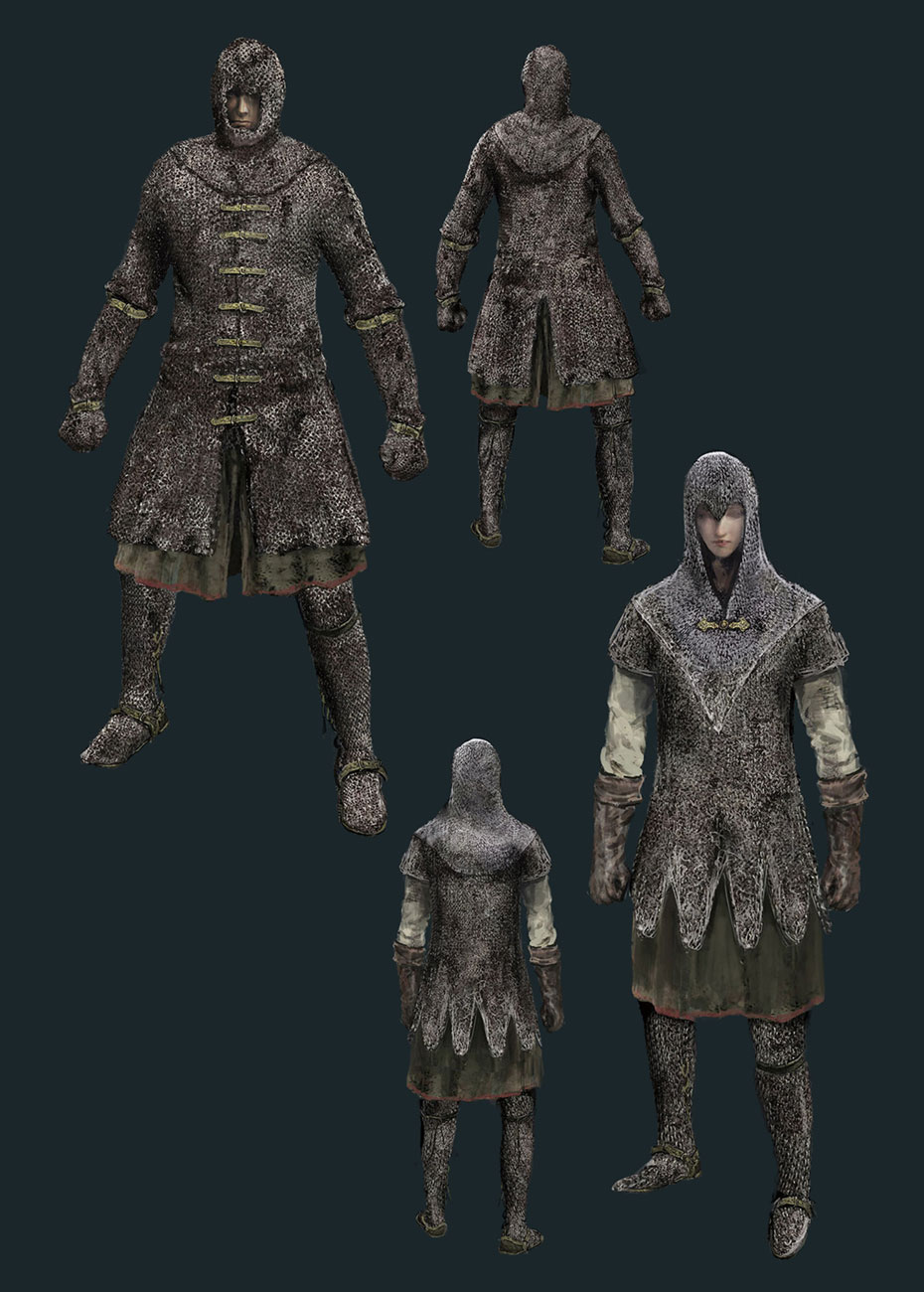
The use of basic / undertextured 3D models is increasingly common in concept art. This is because artists can essentially create basic mockups that simply need polish to becomethe finished product. This example is from the game Elden Ring and showcases an armor set that ended up in the final product.
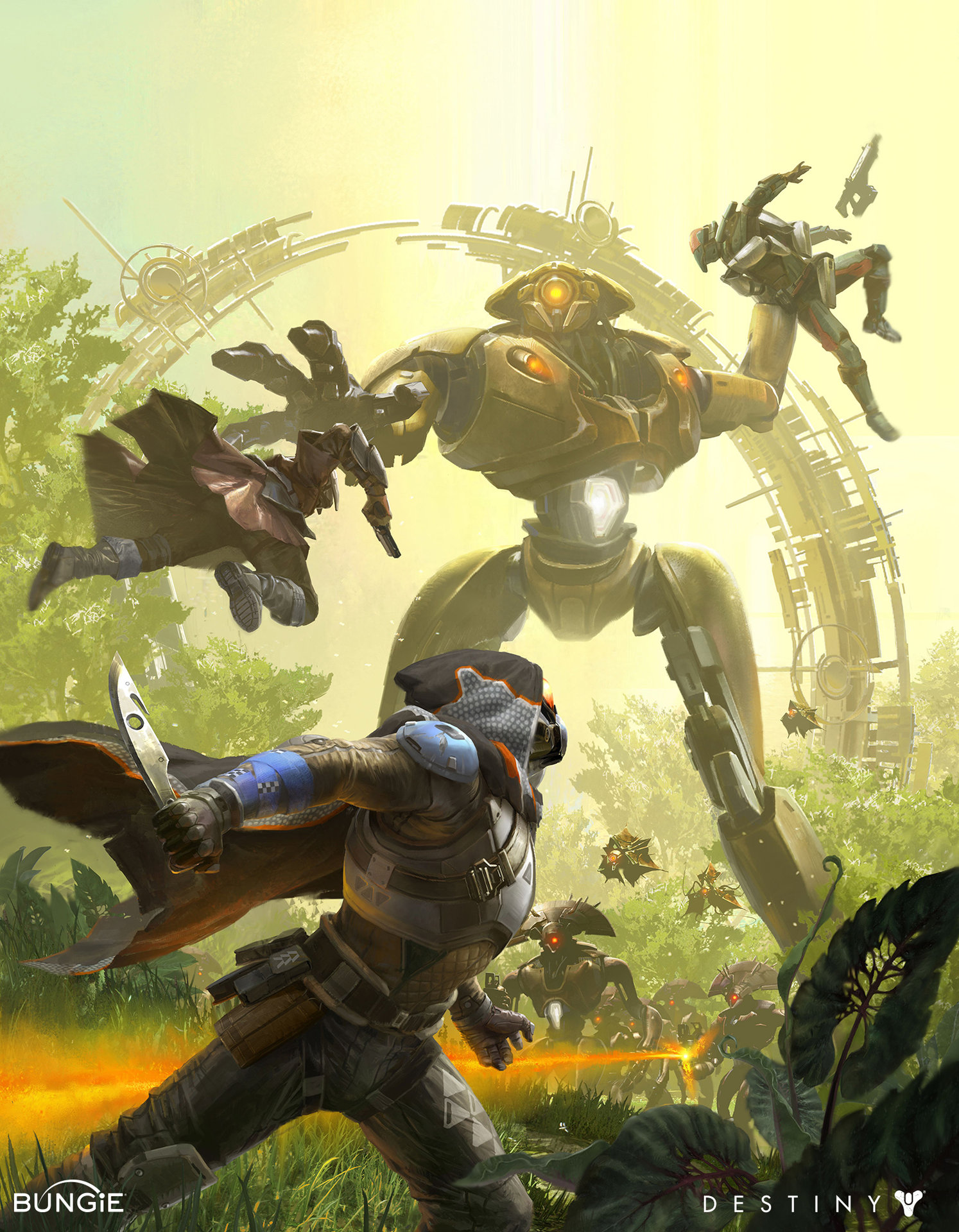
The most used common form of concept art is digital art as artists can quickly produce and most importnatly edit the artwork in a way that was difficult in more traditional mediums. This example is from the game Destiny and shows an accurate representation of what ended up in the final game.
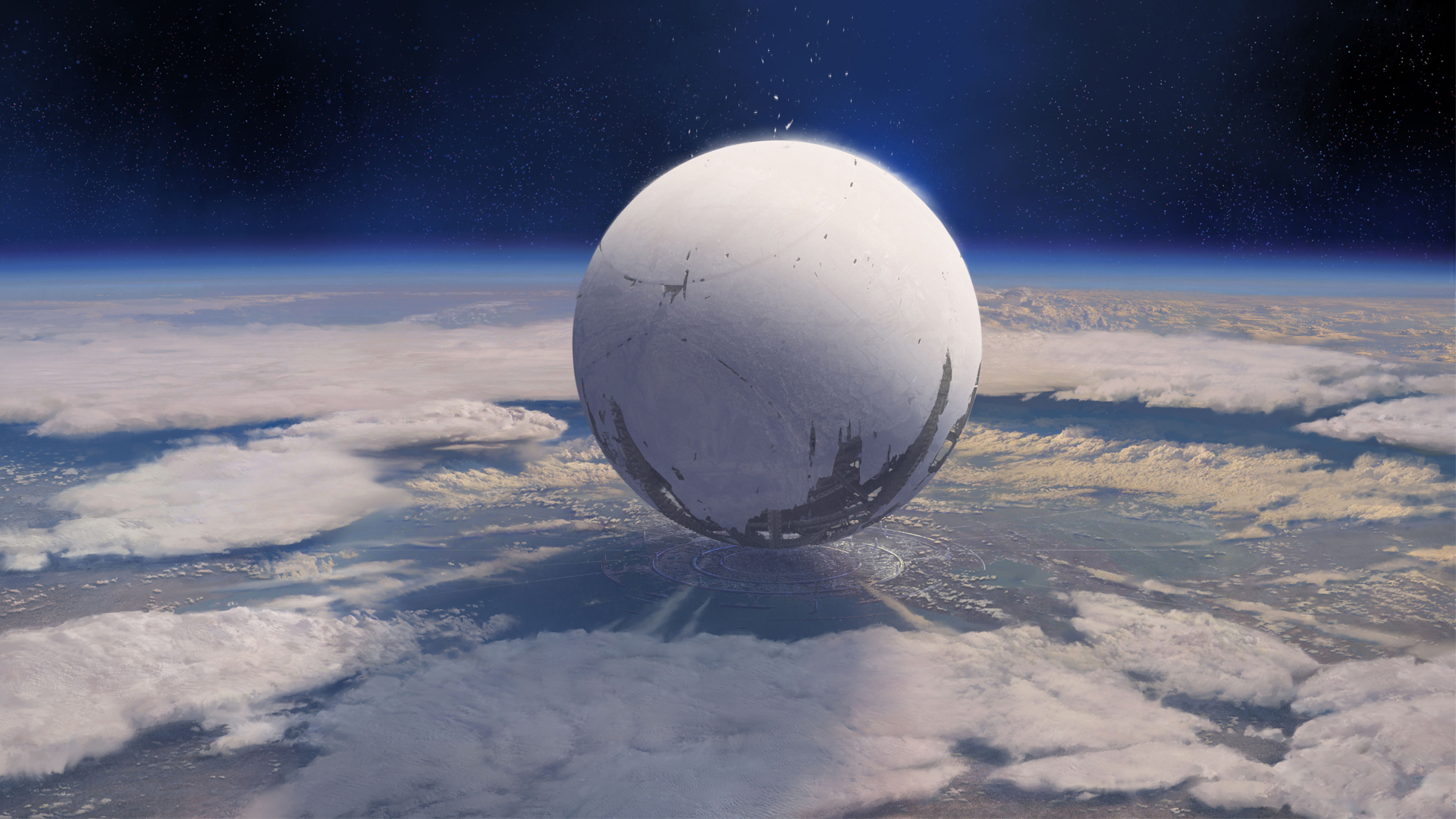
This concept art was used in the creation of Destiny 1 and one of its main story elements the Travler(the large white orb).
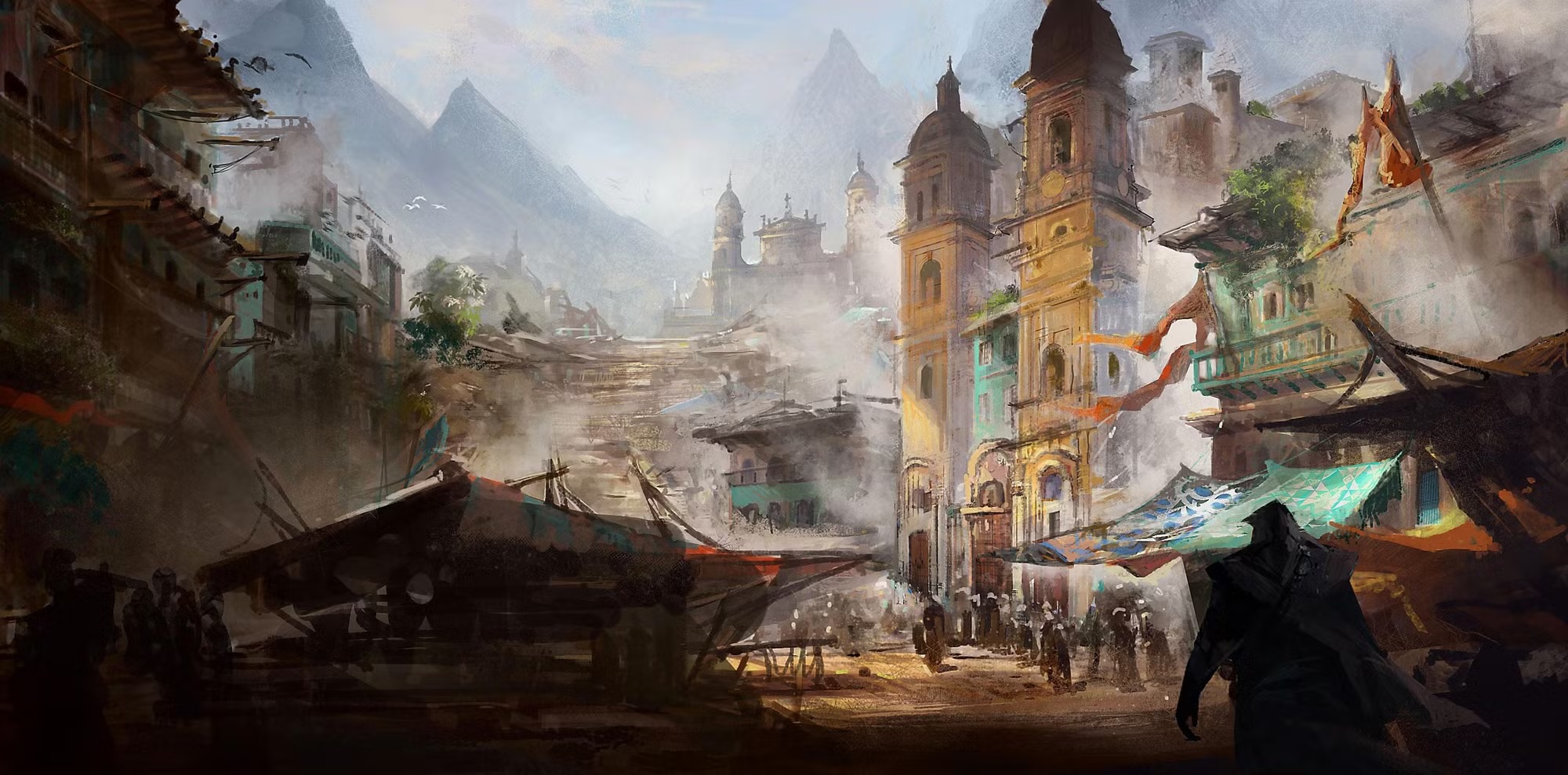
This concept art was made for the game Assassin's Creed Blackflag as a potential landscape in game.
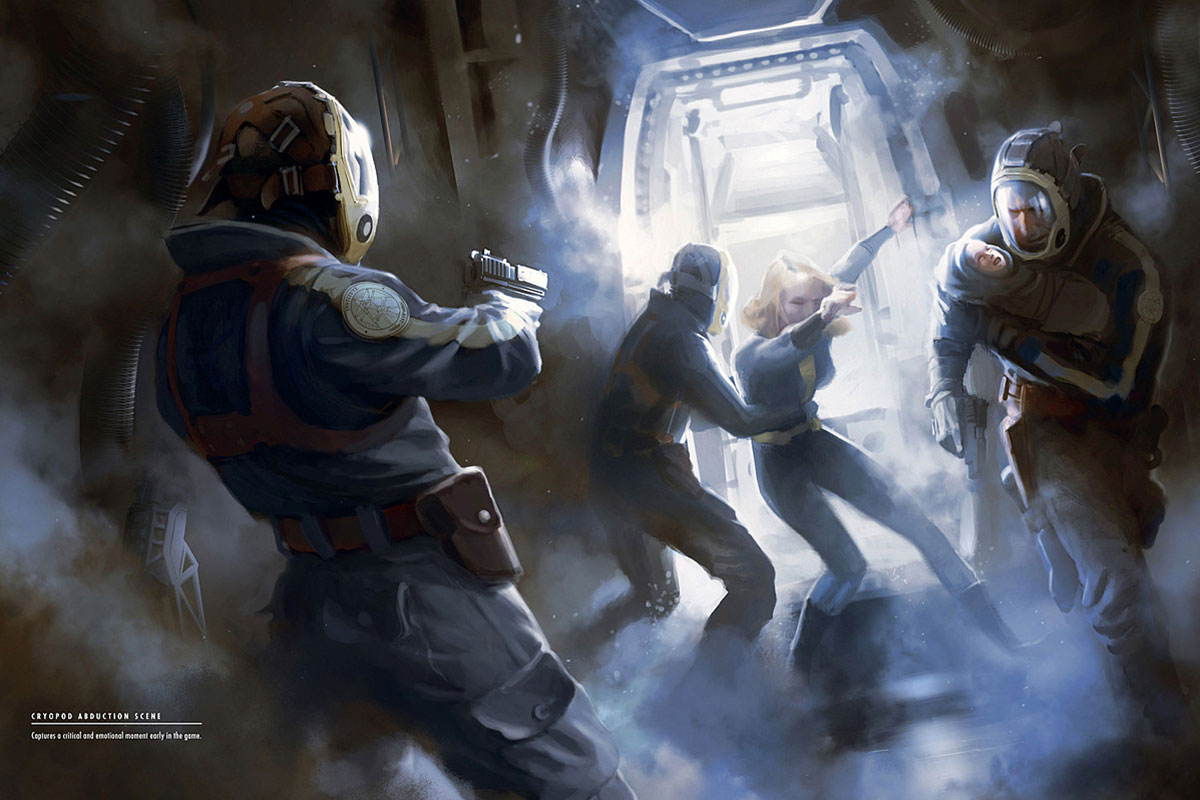
This concept art was used in the creation of Fallout 4. It portrays one of the major story moments early in the game.
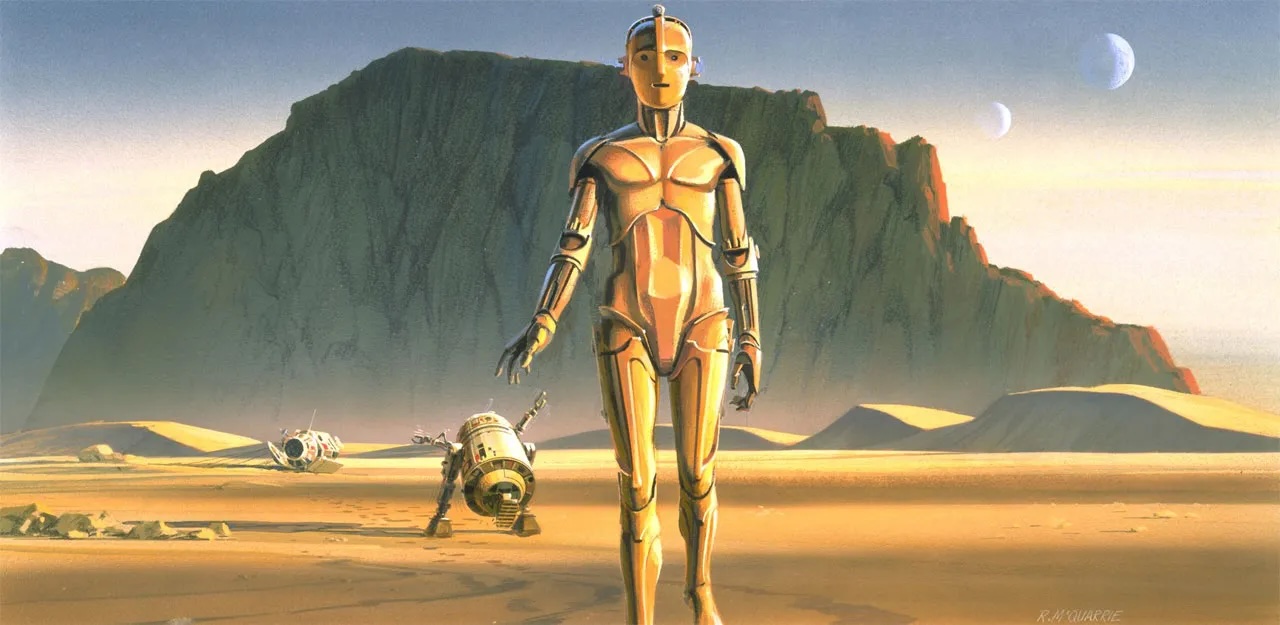
This artwork depicts one of the early scenes in the first movie a New Hope. It demonstrates how the characters can still change after concept art.
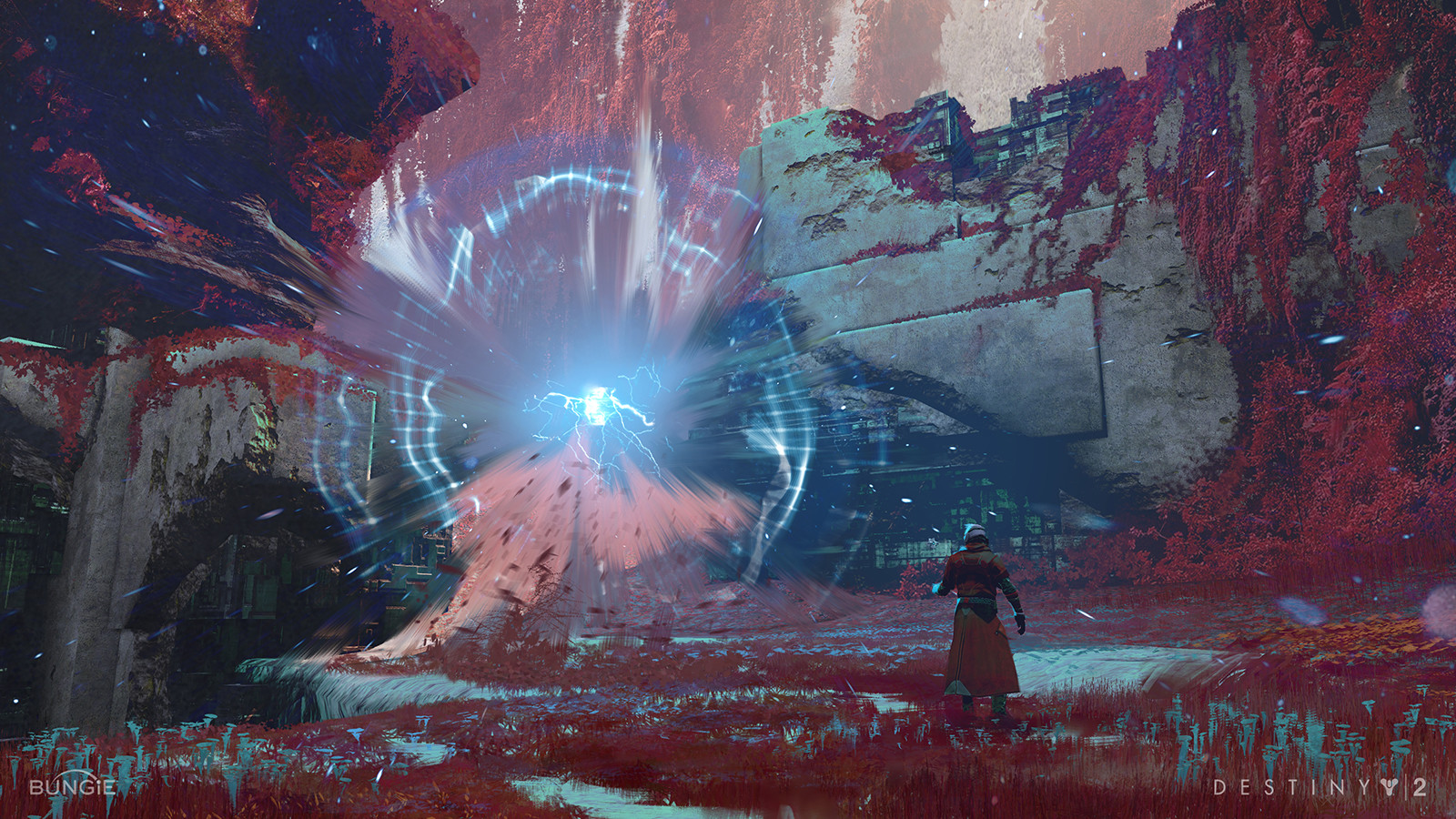
This is concept art from the sequel of Destiny depicting the main character in one of the new locations in the game.